
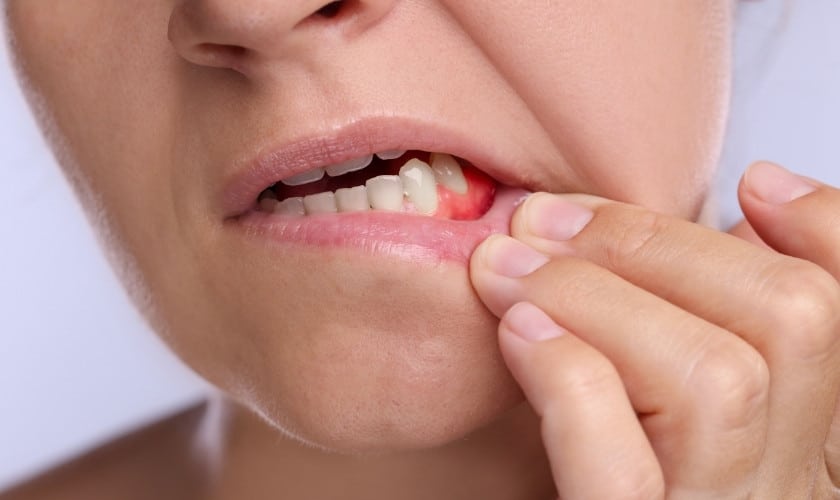
A sore spot on your gums can be uncomfortable, making it difficult to eat, brush, or even speak. While occasional gum discomfort may go away on its own, persistent pain in one specific area could indicate an underlying dental issue that requires professional attention. Understanding the possible causes can help you take the right steps to protect your oral health.
If you’re experiencing gum pain in League City, knowing what might be causing it can help you decide when it’s time to seek dental care.
Common Reasons Your Gums Hurt in One Spot
1. Food Stuck Between Teeth
One of the most common reasons for localized gum pain is food trapped between your teeth. Popcorn hulls, meat fibers, seeds, and other small food particles can become lodged beneath the gumline, causing irritation and inflammation.
Symptoms may include:
- Tenderness in one area
- Swelling around one tooth
- Pain while chewing
- Temporary bleeding when flossing
Carefully flossing the affected area can often remove the trapped debris and relieve discomfort.
2. Gum Injury
Your gums are delicate tissues that can become injured by:
- Aggressive brushing
- Sharp foods like chips
- Toothpicks
- Dental appliances
- Accidental bites
Minor injuries generally heal within a few days with proper oral hygiene.
3. Canker Sores
Canker sores are small, painful ulcers that develop inside the mouth, including on the gums. Although they aren’t contagious, they can make eating and drinking uncomfortable.
Common triggers include:
- Stress
- Minor injuries
- Acidic foods
- Vitamin deficiencies
- Hormonal changes
Most canker sores heal naturally within one to two weeks.
4. Early Gum Disease
Pain in one spot may be an early warning sign of gingivitis or the beginning stages of gum disease.
Other symptoms include:
- Red gums
- Swelling
- Bleeding while brushing
- Persistent bad breath
Early treatment helps prevent the condition from progressing into more serious periodontal disease.
5. Gum Abscess
A gum abscess is a pocket of infection that develops within the gum tissue. This condition requires prompt dental treatment because the infection can spread if left untreated.
Signs include:
- Severe throbbing pain
- Swollen gums
- Pus drainage
- Bad taste in the mouth
- Facial swelling
- Fever in some cases
Ignoring an abscess can lead to serious oral health complications.
6. Tooth Infection
Sometimes the pain seems to come from the gums when the real problem is an infected tooth root.
Possible symptoms include:
- Sensitivity to hot or cold
- Pain when biting
- Swollen gums near one tooth
- Tooth discoloration
- Constant aching
Dental imaging can determine whether the tooth is the source of the discomfort.
7. Wisdom Teeth Problems
Even partially erupted wisdom teeth can create localized gum pain. The surrounding gum tissue may become inflamed or infected as bacteria accumulate around the tooth.
This often causes:
- Swelling at the back of the mouth
- Difficulty opening the jaw
- Pain while chewing
- Tender gums
8. Orthodontic Treatment
Braces or aligners sometimes place pressure on certain teeth, making nearby gums temporarily sore. This discomfort is usually mild and improves as your mouth adjusts to the treatment.
If the pain becomes severe or lasts longer than expected, it should be evaluated by your dental provider.
Home Care Tips for Mild Gum Pain
If your symptoms are mild, you may find relief by:
- Brushing gently with a soft-bristled toothbrush
- Flossing carefully around the sore area
- Rinsing with warm saltwater
- Drinking plenty of water
- Avoiding spicy or acidic foods temporarily
- Maintaining good daily oral hygiene
If the discomfort continues beyond a few days or worsens, professional evaluation is recommended.
When Should You See a Dentist?
While some gum soreness resolves quickly, certain symptoms should never be ignored.
Schedule a dental visit if you notice:
- Pain lasting more than a week
- Significant swelling
- Bleeding that continues regularly
- Pus around the gums
- Loose teeth
- Difficulty eating
- Severe or worsening pain
Prompt treatment often prevents more extensive dental procedures later.
How Dentists Diagnose Localized Gum Pain
A dental examination typically includes:
- Reviewing your symptoms
- Checking the gums for inflammation
- Examining surrounding teeth
- Measuring gum pockets if needed
- Taking dental X-rays when appropriate
Identifying the exact cause allows your dentist to recommend the most effective treatment.
Treatment Options
Treatment depends on the underlying cause and may include:
- Professional dental cleaning
- Removal of trapped debris
- Antibiotics for bacterial infections
- Drainage of an abscess
- Root canal therapy if the tooth is infected
- Gum disease treatment
- Orthodontic adjustment if needed
Early intervention usually leads to faster healing and better long-term oral health.
Preventing Gum Pain
Good daily habits can significantly reduce your risk of developing localized gum problems.
Helpful preventive measures include:
- Brush twice daily with fluoride toothpaste.
- Floss every day.
- Attend regular dental checkups.
- Eat a balanced diet rich in vitamins.
- Drink enough water.
- Avoid tobacco products.
- Replace your toothbrush every three to four months.
These simple habits help keep both your teeth and gums healthy.
Caring for Your Smile in League City
Whether your discomfort is caused by trapped food, minor irritation, gum disease, or an infection, it’s important not to ignore persistent gum pain. Receiving an accurate diagnosis early helps prevent more serious dental problems and keeps your smile healthy.
At Aces Of Braces, our experienced team is committed to helping patients maintain healthy gums and confident smiles. If you’re searching for an orthodontist in League City, our dental practice provides comprehensive care tailored to your needs. Check our patient reviews to learn about the experiences of our community, and book an appointment by calling +18329051052 if persistent gum pain is affecting your daily life.
Frequently Asked Questions
1. Why does my gum hurt around only one tooth?
Pain around one tooth is often caused by trapped food, localized gum inflammation, an injury, or an infection affecting that specific area. A dental examination can identify the exact cause.
2. Can brushing too hard make one spot on my gums hurt?
Yes. Brushing aggressively or using a hard-bristled toothbrush can injure the gum tissue, causing soreness, swelling, and even minor bleeding in one localized area.
3. Is gum pain always a sign of gum disease?
No. While gum disease is one possibility, localized pain may also result from canker sores, food impaction, injuries, orthodontic appliances, or an infected tooth.
4. How long should sore gums last?
Minor gum irritation often improves within a few days. Pain lasting longer than a week or becoming more severe should be evaluated by a dental professional.
5. Can braces cause pain in one area of my gums?
Yes. Orthodontic treatment can temporarily place pressure on certain teeth and surrounding gums, causing localized soreness that usually improves as your mouth adjusts.
6. Should I floss if one spot on my gums hurts?
Gentle flossing may remove trapped food and reduce irritation. However, avoid forcing the floss if the area is very painful or swollen, as this may worsen the discomfort.
7. What symptoms suggest a gum infection?
Signs of a gum infection include severe pain, swelling, pus, persistent bad breath, fever, and tenderness around one area. These symptoms should be assessed promptly to prevent complications.