
Many families in League City ask the same question: what happens to your teen’s teeth after Invisalign ends? It is a great question — and the answer matters more than most people expect. Finishing Invisalign And Invisalign Teen League City is a major milestone worth celebrating. But the work does not stop the day the last aligner comes out.
Teeth are not fixed permanently in place after treatment. Without proper retention, they can shift back toward their old positions. Understanding what comes next helps your teen protect every month of progress they made.
Why Teeth Shift After Invisalign Ends in League City
Teeth move because of natural forces in the mouth. The lips, tongue, jaw muscles, and bone all exert pressure constantly. During Invisalign treatment, each aligner guides teeth against those forces.
Once the aligners stop, nothing holds the teeth in their new positions — at least not right away. The bone and soft tissue around the roots need time to stabilize. This process is called bone remodeling, and it takes months.
Teens are especially vulnerable to shifting. Their jaws are still developing. Growth spurts can alter the bite and crowd teeth again. That is why retention is not optional — it is a required part of the orthodontic process.
- Natural muscle pressure pushes teeth inward and forward
- Jaw growth in teens can reopen gaps or create crowding
- Bone around roots takes several months to fully harden
- Wisdom teeth can put pressure on neighboring teeth
- Even small daily habits like lip biting can cause drift
What Happens Without a Retainer After Invisalign
Skipping retainers is the most common reason patients need orthodontic retreatment. Teeth can begin shifting within days of stopping aligner wear. The movement is gradual at first — but it adds up quickly.
Most patients notice crowding in the lower front teeth first. These teeth have the least support from surrounding structure. They are often the quickest to relapse after treatment ends.
In some cases, a teen may need braces or aligners again just a few years later. That is a significant investment of time and money that could have been avoided. Consistent retainer wear is far easier than starting over with Braces And Orthodontics League City.
- Crowding can return within weeks without a retainer
- Gaps that were closed may reopen over time
- Bite alignment can shift and cause jaw discomfort
- Retreatment costs significantly more than a retainer
Types of Retainers Your Teen May Receive
There are two main types of retainers used after Invisalign. Each has its own benefits depending on the patient’s needs and lifestyle.
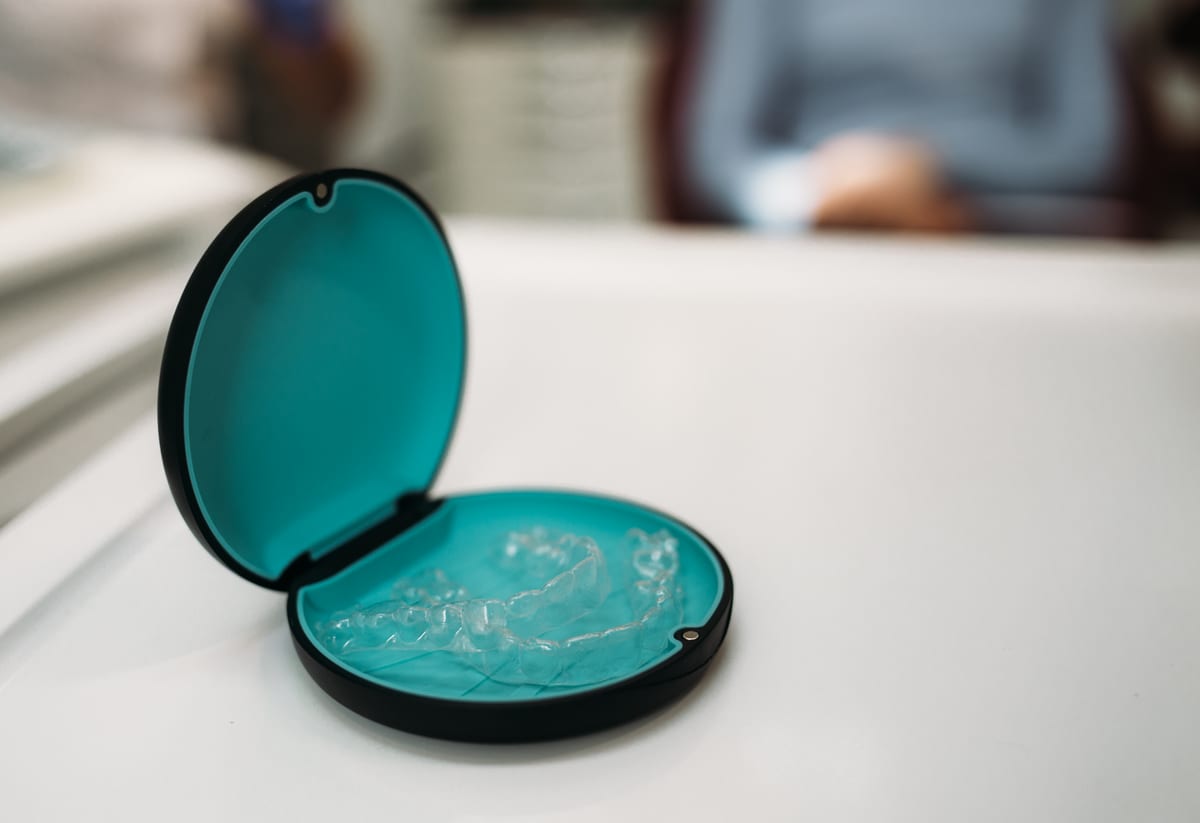
Removable retainers look similar to Invisalign aligners. They slip on and off easily. Your teen wears them for a set number of hours each day, usually overnight. They are easy to clean and do not interfere with eating or speaking.
Fixed retainers are thin wires bonded to the back of the teeth. They stay in place all day and night. Your teen does not have to remember to wear them. However, they require careful flossing around the wire to prevent buildup.
Some patients use a combination of both types. The orthodontist at Aces Of Braces will recommend the right option based on your teen’s bite and history. Every retention plan is personalized to the individual patient.
How Long Does Your Teen Need to Wear a Retainer in League City?
This is the question most teens ask immediately after finishing Invisalign. The honest answer is that retainer wear is a long-term commitment. The timeline has two distinct phases.
In the first phase, most patients wear retainers full-time. This typically means 20 to 22 hours per day for several months. Removing them only to eat and brush teeth is the standard recommendation during this period.
After the initial phase, patients transition to nighttime-only wear. Many orthodontists recommend wearing retainers every night indefinitely. Teeth never fully stop responding to pressure — so long-term wear protects the smile for life.
Retainers also need to be replaced over time. Removable retainers wear down with use. A retainer that no longer fits snugly is not providing protection. Regular checkups at Aces Of Braces allow the team to monitor fit and catch any early shifting.
Tips to Help Your Teen Stay Consistent With Retainer Wear
Teenagers are busy. Between school, sports, and social activities, it is easy for retainer wear to slip. Building consistent habits early makes a big difference.
Here are practical strategies that help teens stay on track:
- Keep the retainer case in the same spot every night as a visual reminder
- Set a daily phone alarm to prompt retainer wear each evening
- Never wrap a retainer in a napkin — it ends up in the trash too often
- Bring the retainer to every follow-up appointment for a fit check
- Replace a lost or broken retainer quickly to avoid shifting
Parents play an important role too. A quick nightly check-in helps teens stay accountable without feeling pressured. Framing retainer wear as protecting their hard work motivates better compliance.
Conclusion: Protecting Your Teen’s Smile After Invisalign
The end of Invisalign is not the finish line — it is the beginning of a lifelong maintenance phase. What happens to your teen’s teeth after Invisalign ends in League City depends largely on how consistently they wear their retainer. The good news is that this part of the process is simple when teens understand why it matters.
At Aces Of Braces, we walk every patient and family through the retention phase with clear instructions and ongoing support. We make sure your teen’s results last for years to come. Book Now to schedule your appointment with our team.
Frequently Asked Questions
How soon after Invisalign ends does a teen need to start wearing a retainer?
Retainer wear should begin immediately after the last aligner is removed. Even waiting a few days can allow minor shifting to begin. Your orthodontist will provide the retainer at or before the final Invisalign appointment so there is no gap in protection.
What happens if my teen loses their retainer?
Contact your orthodontist as soon as possible. Teeth can begin shifting within days of not wearing a retainer. The sooner a replacement is made, the less chance there is of noticeable movement. Do not wait until the next scheduled visit — call right away.
Can my teen play sports while wearing a removable retainer?
Most orthodontists recommend removing a removable retainer during contact sports. A mouthguard should be worn in its place during activity. After the game or practice, the retainer goes back in. Fixed retainers are not removed, so no adjustments are needed during sports for those patients.
How often should retainers be replaced?
Removable retainers typically last one to three years with regular use and proper cleaning. Over time, the plastic can crack, warp, or lose its shape. A retainer that fits loosely is not doing its job. Regular checkups help determine when a replacement is needed.
Will my teen’s teeth shift even with consistent retainer wear?
Minor changes in the teeth and bite are normal over a lifetime. However, consistent retainer wear dramatically reduces the amount of shifting that occurs. Patients who wear their retainer as directed maintain their Invisalign results far better than those who skip or reduce wear over time.