
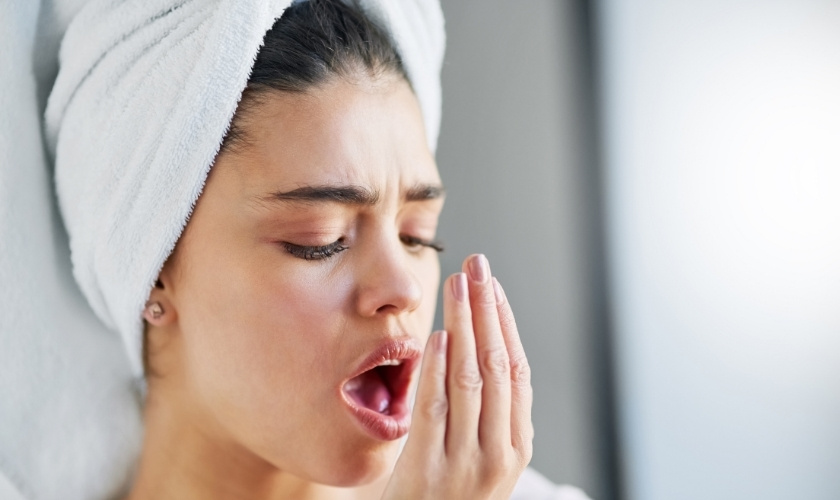
Dry mouth (xerostomia) and the bad breath that often follows are common concerns – especially for people taking medications, using CPAP, or getting older. Saliva plays a vital role in keeping your mouth clean: it rinses away food particles, neutralizes acids, and controls bacteria. When saliva decreases, bacteria multiply and produce volatile sulfur compounds (VSCs), the main culprits behind unpleasant odors. The good news: many effective strategies can reduce dry mouth and the breath problems it causes. Here’s a clear, practical plan you can follow in League City.
What causes dry mouth and halitosis?
- Medications: Antihistamines, antidepressants, blood pressure drugs, and others often reduce saliva.
- Medical conditions: Diabetes, Sjögren’s syndrome, and respiratory issues can impair salivary flow.
- Lifestyle: Smoking, alcohol, caffeine, and mouth breathing dry the oral tissues.
- Sleep devices and aging: CPAP machines and age-related salivary gland changes contribute too.
Daily habits that help immediately
- Sip water frequently. Small, regular sips throughout the day keep oral tissues moist and dilute bacteria.
- Chew sugar-free gum or suck sugar-free lozenges to stimulate saliva (look for xylitol).
- Avoid caffeine, alcohol, and tobacco, which all reduce saliva production.
- Breathe through your nose; mouth breathing dries the mucosa and encourages odor-causing bacteria.
- Use a humidifier at night to keep the room air from drying your mouth while you sleep.
Oral hygiene adjustments to control odor
- Brush twice daily with fluoride toothpaste and floss once a day to remove plaque and food debris that feed bacteria.
- Clean the tongue. Use a tongue scraper or your toothbrush to remove the thin bacterial coating where VSCs form.
- Choose an alcohol-free, antimicrobial mouthwash designed for dry mouth; alcohol can worsen dryness.
- Replace your toothbrush every three months; worn bristles are less effective at removing bacteria.
Diet changes that support saliva and fresh breath
- Eat crunchy fruits and vegetables (apples, carrots, celery); their texture helps mechanically clean teeth and stimulate saliva.
- Include foods with high water content, like cucumber and watermelon.
- Limit sugary and starchy snacks that feed oral bacteria.
- Try xylitol-containing mints or gum. Xylitol helps reduce certain bacteria linked to tooth decay and may improve saliva production.
When to use salivary substitutes and stimulants
- Over-the-counter saliva substitutes (sprays, rinses, gels) can provide relief when natural saliva is low.
- Prescription saliva stimulants or sialogogues are available for severe cases – your dentist can advise whether they’re appropriate.
- Products containing xylitol are useful because they both stimulate saliva and inhibit harmful bacteria.
Address underlying causes with your healthcare team
- Review medications with your doctor; sometimes an alternative with less dry-mouth effect exists.
- Manage systemic conditions like diabetes and autoimmune disorders; better overall control often improves salivary function.
- If you use a CPAP, discuss mask fit and humidification settings with your sleep specialist to reduce mouth dryness.
- If symptoms persist, visit your dental provider for a salivary flow assessment and tailored treatment options.
Professional dental care options
- Professional cleanings reduce bacterial load and remove tartar that traps odor-causing bacteria.
- Your dentist can evaluate for candidiasis or other infections that sometimes accompany dry mouth and cause bad breath.
- In more advanced cases, prescription treatments or referrals to a specialist can resolve the underlying cause.
Practical nightly routine for better morning breath
- Brush and floss before bed, including tongue scraping.
- Rinse with an alcohol-free antimicrobial mouthwash.
- Apply any prescribed saliva gels before sleep and run a humidifier if your bedroom is dry.
- Stay hydrated in the evening, but avoid diuretics (alcohol, caffeine) late at night.
Tips for caregivers and parents
- Encourage regular hydration and sugar-free gum for children or older adults who can safely chew.
- Monitor medication side effects and report changes in oral health to the prescribing clinician.
- For mouth-breathing children, consult a pediatric dentist to assess airway issues.
How Aces of Braces in League City can help
If dry mouth and bad breath persist despite home measures, a dental evaluation is the next step. At Aces of Braces, we assess oral health, review possible medication effects, and recommend targeted treatments—from professional cleaning and tongue care guidance to referral for medical testing when needed. Visit our dental office and book an appointment.
Frequently Asked Questions
1. Can dry mouth really cause bad breath?
Yes, dry mouth allows bacteria to grow more easily because there is less saliva to wash away food particles and neutralize odor-causing compounds.
2. How much water should I drink to help dry mouth?
Drinking water consistently throughout the day helps keep the mouth moist. Small, frequent sips are often more effective than large amounts occasionally.
3. Does mouthwash help with dry mouth and bad breath?
Alcohol-free mouthwash may help freshen breath and protect oral tissues. Alcohol-based rinses can increase dryness and worsen symptoms.
4. Why is my breath worse in the morning?
Saliva production decreases during sleep, allowing bacteria to build up overnight. Mouth breathing can make morning breath even stronger.
5. Can medications cause dry mouth permanently?
Some medications may cause long-term dry mouth while they are being used. Symptoms often improve after adjusting medications under medical supervision.
6. Is chewing gum good for dry mouth?
Sugar-free gum can stimulate saliva flow and temporarily reduce dryness. Gum containing xylitol may also help reduce bacteria levels.