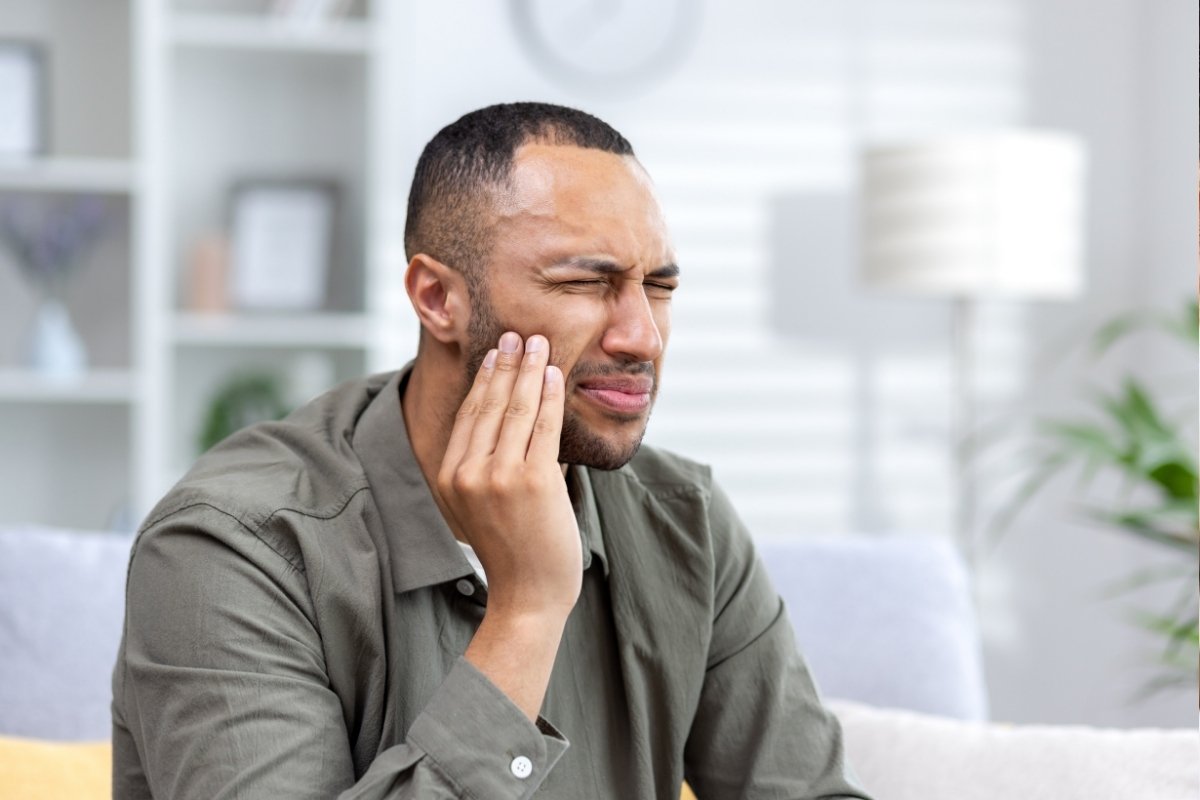
Getting braces is one of the most effective ways to straighten your teeth and achieve a beautiful smile. However, if you’ve ever noticed that your teeth hurt after a braces adjustment, you’re not alone. Many orthodontic patients experience discomfort after each tightening or realignment session. Understanding why this happens and how to manage it can make your orthodontic journey much easier and more comfortable.
What Happens During a Braces Adjustment?
Every few weeks, your orthodontist will adjust your braces to keep your teeth moving into the correct positions. These adjustments are an essential part of the orthodontic process. During the visit, your orthodontist may:
- Tighten the archwires that connect your brackets
- Replace rubber bands or wires
- Make small changes to the braces to improve alignment
When the braces are tightened, they apply new pressure to your teeth and their supporting structures. This controlled pressure is what gradually shifts your teeth into alignment. However, the tissues and ligaments surrounding your teeth need time to adapt to these changes, which can lead to temporary soreness.
Why Do Teeth Hurt After a Braces Adjustment?
Tooth pain or sensitivity after an adjustment is a sign that your braces are doing their job effectively. The discomfort typically results from the following factors:
1. Pressure on Teeth and Periodontal Ligaments
When your orthodontist tightens the wires, your braces exert more pressure on the teeth. This pressure causes slight inflammation in the periodontal ligaments—the fibers that hold your teeth in place—resulting in tenderness or soreness.
2. Minor Inflammation and Irritation
As teeth move, the surrounding bone and gum tissues adapt by remodeling themselves. This natural biological response can lead to mild inflammation, which may make your teeth and jaws feel sore for a few days.
3. Changes in Bite Adjustment
Sometimes, adjustments alter the way your upper and lower teeth meet. This new bite position can create temporary stress on certain teeth or jaw muscles until your mouth becomes accustomed to the new alignment.
4. Friction from Brackets or Wires
If your orthodontist adds or changes wires, new segments might rub against the inner cheeks or lips. This friction can cause soft tissue irritation, contributing to general discomfort.
How Long Do Braces Hurt After an Adjustment?
Pain after a braces tightening usually lasts between 1 to 5 days, depending on your pain tolerance and the complexity of your orthodontic treatment. The first 24–48 hours tend to be the most uncomfortable. By day four or five, the soreness should subside considerably.
If you find the pain persisting beyond a week or becoming unusually severe, contact your orthodontist. Persistent or increasing pain could indicate that a wire is misaligned, a bracket is damaged, or there’s an unusual pressure point that needs adjustment.
How to Relieve Bracing Pain After an Adjustment
Fortunately, there are several simple and effective methods to relieve brace discomfort and speed up recovery.
1. Use Over-the-Counter Pain Relievers
Non-prescription pain medications, such as ibuprofen or acetaminophen, can help ease pain and inflammation. Always follow the dosage instructions and consult your dentist or orthodontist before use.
2. Apply a Cold Compress
Applying a cold pack or even a cloth-wrapped bag of ice against your jaw for 10–15 minutes at a time helps reduce swelling and numb the area, providing immediate relief.
3. Rinse with Warm Salt Water
A mild saltwater rinse can soothe sore gums and reduce inflammation. Mix one teaspoon of salt in a cup of warm water and swish gently around your mouth for 30 seconds.
4. Eat Soft Foods
Stick to soft foods like mashed potatoes, yogurt, soup, scrambled eggs, and smoothies during the first few days after an adjustment. Avoid crunchy or sticky foods that require chewing pressure.
5. Use Orthodontic Wax
If wires or brackets are irritating, apply orthodontic wax (available over the counter or from your orthodontist) on those spots to prevent rubbing and mouth sores.
6. Stay Hydrated and Avoid Acidic Drinks
Drinking water keeps the mouth clean and helps minimize friction. Try to avoid acidic or sugary beverages that may irritate sore areas.
7. Practice Gentle Oral Hygiene
It’s important to maintain good oral hygiene even when your mouth is sore. Use a soft-bristled toothbrush and brush gently around the brackets and gum line.
When to Contact Your Orthodontist
While mild brace discomfort is normal, some signs should prompt you to call your orthodontist right away:
- Severe or prolonged pain beyond a week
- A loose or broken wire or bracket
- Wires poking into your cheek or gums
- Swollen or bleeding gums
- Difficulty eating or speaking
Your orthodontist can make small adjustments or provide additional care materials to help you stay comfortable. Remember, regularly attending your adjustment appointments and maintaining communication is vital for successful treatment progress. If you haven’t been in for your latest adjustment, book an Appointment with your orthodontist to stay on track.
Maintaining a Positive Mindset During Orthodontic Treatment
Braces can be an adjustment not only physically but emotionally as well. It’s natural to feel concerned when you experience pain after an appointment, but keep in mind that this is a sign of progress. Every bit of movement brings you closer to your dream smile. Practicing good self-care and patience makes the process smoother.
If you ever feel your discomfort is too much or are uncertain about how to care for your braces properly, reach out to a trusted orthodontic specialist for guidance. Regular communication helps your treatment move efficiently while keeping you comfortable.
FAQs
1. How long do braces hurt after tightening?
Brace pain typically lasts 3 to 5 days after each adjustment. During this period, it’s normal to experience mild soreness or pressure, which gradually subsides as your teeth adjust to the new alignment.
2. Is it normal for my teeth to feel loose after a braces adjustment?
Yes. As your teeth move into their new positions, they may temporarily feel slightly loose. This is a normal part of orthodontic treatment and will stabilize once the teeth settle into place.
3. What can I eat after my braces are tightened?
Opt for soft foods like yogurt, mashed potatoes, pasta, soups, and fruit smoothies. Avoid sticky, crunchy, or chewy foods until the soreness subsides.
4. How can I relieve pain from braces quickly?
Using over-the-counter pain relievers, cold compresses, or orthodontic wax can provide quick relief. Rinsing with salt water also helps reduce swelling and gum irritation.
5. Is it okay to skip a braces adjustment if my teeth hurt?
No. Skipping an adjustment can delay your treatment progress and may lead to complications. Instead, talk to your orthodontist about managing your pain before your next visit.
6. Should I worry if the pain doesn’t go away after a week?
If the pain persists for more than seven days or becomes severe, contact your orthodontist. It might indicate a bracket issue, a sharp wire, or other mechanical problems that need correction.