
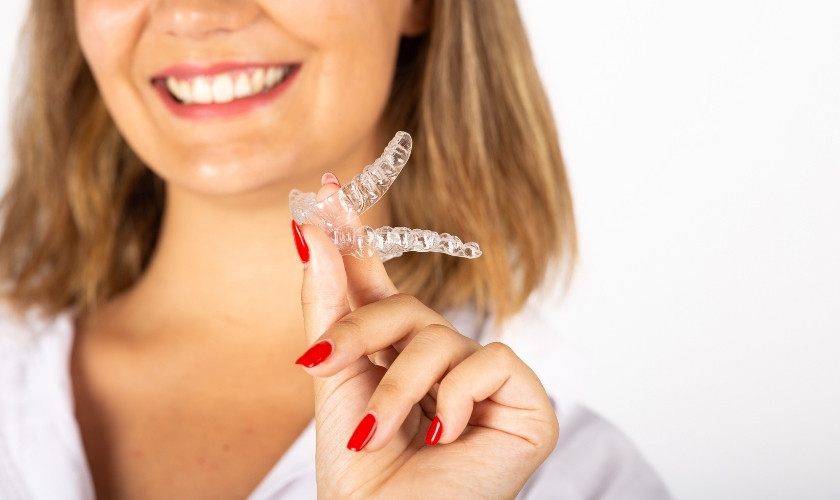
Discovering a cavity while wearing Invisalign can feel frustrating, especially when you’re committed to straighter teeth and a confident smile. Invisalign aligners make orthodontic treatment discreet and comfortable, but they also change how your mouth handles oral hygiene. Cavities, or dental caries, form from plaque buildup and bacteria that produce acids attacking tooth enamel. With aligners in place most of the day, food particles and saliva flow shift, creating unique risks.
This guide walks you through understanding cavities with Invisalign, spotting early signs, and taking smart steps forward. Proper care keeps your treatment on track without major setbacks. At Aces of Braces, we help patients navigate these issues every day, ensuring smiles stay healthy and aligned.
Why Cavities Happen More Easily With Invisalign
Invisalign trays cover your teeth for 20 to 22 hours daily, trapping moisture and sugars against enamel. Unlike traditional braces with wires and brackets, clear aligners form a snug seal. This environment favors bacterial growth if cleaning slips.
Key factors include:
- Reduced saliva flow: Aligners limit natural rinsing, letting acids linger.
- Harder cleaning spots: Trays make it tough to brush and floss thoroughly.
- Diet traps: Sugary or starchy foods stick inside trays, feeding plaque.
Studies from the American Dental Association show orthodontic patients face 1.5 times higher cavity risk without vigilant hygiene. Invisalign users must adapt routines to counter this. White spots on teeth often signal early demineralization, the precursor to cavities.
Spotting the Early Signs of a Cavity
Catching cavities early prevents bigger problems. Pain isn’t always immediate—many start silently.
Look for these common indicators:
- Sensitivity to hot, cold, or sweet foods.
- Visible dark spots or pits on tooth surfaces.
- Rough patches where enamel softens.
- Bad breath or a bad taste persisting after brushing.
During Invisalign checkups, dentists use tools like laser scanners or X-rays to detect hidden decay. Ignoring signs leads to deeper cavities needing fillings, which can pause your aligner progression. Regular monitoring keeps treatment smooth.
Immediate Steps to Take After Discovering a Cavity
Act quickly to protect your teeth and Invisalign progress. Pause wearing the current tray if pain arises, but consult your provider first.
Follow these practical actions:
- Rinse your mouth with warm saltwater to soothe and clean.
- Brush gently with fluoride toothpaste, avoiding the affected area harshly.
- Floss carefully around the cavity site.
- Switch to softened foods like yogurt or soups temporarily.
Avoid home remedies like oil pulling, as they lack evidence for cavity reversal. Professional intervention ensures safe handling. Your orthodontist assesses if the cavity impacts aligner fit or bite alignment.
Professional Treatment Options for Cavities During Invisalign
Dentists tailor treatments to minimize disruptions. Most cavities get fixed without derailing your smile journey.
Common approaches include:
- Fillings: Composite resin matches natural teeth, applied in one visit. Aligners often pause briefly during bonding.
- Sealants: For early decay, these protective coatings halt progression.
- Fluoride varnishes: Strengthen enamel in mild cases.
- Crowns or root canals: Rare for small cavities, reserved for advanced decay.
We coordinate cavity repairs seamlessly with Invisalign tracking. Treatments typically take 30-60 minutes, and you resume trays soon after. Advanced tools like digital impressions speed recovery.
Adjusting Your Hygiene Routine for Cavity Prevention
Prevention beats cure every time. Elevate your daily habits to shield teeth under Invisalign.
Essential practices:
- Brush twice daily for two minutes with an electric toothbrush and fluoride paste.
- Floss nightly, using water flossers for tray wearers.
- Clean aligners after every removal with mild soap or retainer cleaner—never hot water.
- Use an antimicrobial mouthwash to cut bacteria.
Pro tip: Chew sugar-free gum with xylitol post-meals to boost saliva. Track progress with a hygiene journal. These steps slash cavity risk by up to 40%, per orthodontic research.
Dietary Choices That Protect Your Smile on Invisalign
What you eat directly influences cavity formation. Invisalign demands mindful snacking since trays stay in during meals.
Focus on cavity-fighting foods:
- Crunchy veggies like celery and carrots naturally scrub plaque.
- Dairy products rich in calcium, such as cheese and milk.
- High-water fruits like apples to rinse debris.
Limit these triggers:
- Sticky candies and sodas are loaded with sugar.
- Acidic drinks like citrus juices erode enamel.
- Starchy carbs break down into cavity fuel.
Sip water throughout the day and wait 30 minutes post-meal before reinserting trays. Balanced nutrition supports enamel repair alongside hygiene.
Long-Term Invisalign Success After Cavity Treatment
A treated cavity rarely ends your Invisalign journey. Most patients finish on schedule with minor adjustments.
Ongoing monitoring involves:
- Bi-monthly dental visits for cleanings and scans.
- Progress checks to ensure aligners fit post-filling.
- Nightly retainer wear after active treatment.
Patients at Aces of Braces often report straighter, healthier smiles post-cavity fixes. Commitment to care yields lasting results.
Ready for personalized advice? Book an appointment and visit our dental care office by calling 8329051052. The team specializes in Invisalign combined with cavity management.
Frequently Asked Question
1. Can I continue wearing Invisalign with a small cavity?
Yes, small cavities often allow continued wear after a quick filling. Your dentist confirms aligner compatibility.
2. How long does cavity treatment pause Invisalign?
Typically 1-2 weeks max, depending on repair complexity. Many resume the same day.
3. Does Invisalign cause cavities directly?
No, poor hygiene around aligners causes them. Proper care prevents issues.
4. What if a cavity forms under an aligner?
Remove the tray for treatment. Dentists use X-rays to check hidden spots.
5. Are cavities more common with Invisalign than braces?
Risks are similar if hygiene matches. Invisalign’s removability aids better cleaning.
6. How can I prevent cavities starting now?
Prioritize fluoride products, daily flossing, and dental checkups every six months.
7. Will a cavity filling affect my Invisalign fit?
Most fillings match tooth shape without issues, but larger ones may need new scans or trays.