
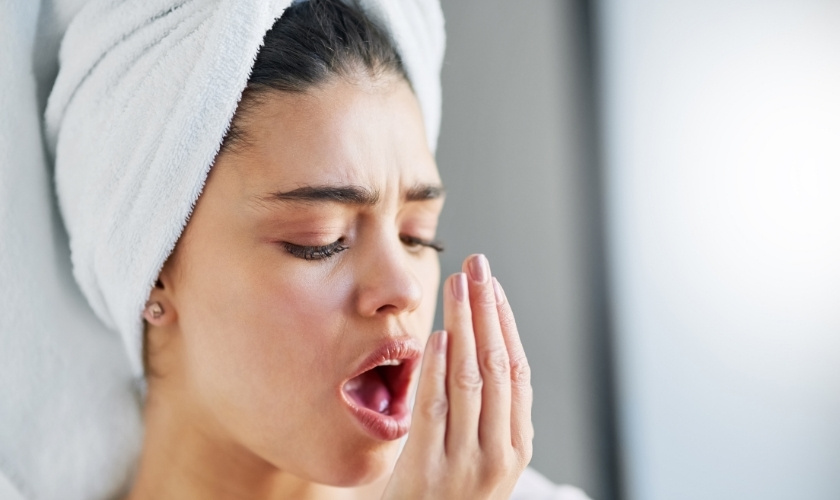
Bad breath, or halitosis, affects millions and can strike at the worst moments—like during a job interview or a first date. While it’s often a temporary issue tied to what you ate, persistent bad breath signals underlying problems like poor oral hygiene or health conditions. The good news? You can tackle it effectively with simple lifestyle changes, home remedies, and professional care. This guide breaks down the main causes of bad breath and shares actionable steps to banish it for good.
Understanding the Common Causes of Bad Breath
Bad breath doesn’t appear out of nowhere. Volatile sulfur compounds (VSCs) produced by bacteria in your mouth are the primary culprits, creating that unpleasant odor. Food particles stuck between teeth or on the tongue feed these bacteria, leading to rapid multiplication.
Diet plays a huge role, too. Garlic, onions, and spicy foods release sulfur-containing gases that linger in your bloodstream and lungs, escaping through your breath for hours. Dry mouth, often from dehydration, mouth breathing, or medications, reduces saliva flow—the mouth’s natural cleanser that neutralizes acids and washes away bacteria.
Other triggers include gum disease (periodontitis), where infected pockets around teeth harbor odor-causing bacteria; tooth decay or abscesses; and even systemic issues like acid reflux, sinus infections, diabetes, or liver problems. Tobacco use worsens it by staining teeth and drying out oral tissues. Identifying your trigger is the first step to lasting relief.
Daily Oral Hygiene Habits to Eliminate Bad Breath
Prevention starts with consistency. Brush your teeth twice daily for two minutes each time, using a soft-bristled toothbrush and fluoride toothpaste. Focus on all surfaces: outer, inner, and chewing areas. Replace your brush every three months or after illness to avoid reintroducing bacteria.
Floss daily to remove plaque and food debris from between teeth that brushing misses. Water flossers offer a gentle alternative for those with sensitive gums. Don’t skip your tongue—use a tongue scraper or the back of your toothbrush to gently remove the bacterial film coating it, which harbors up to 90% of bad breath sources.
Rinse with an antimicrobial mouthwash containing ingredients like chlorhexidine or essential oils (e.g., tea tree or peppermint). These kill bacteria without alcohol’s drying effect. Aim for morning and night routines, plus after meals if possible.
Hydration and Diet Tweaks for Fresher Breath
Saliva is your ally against halitosis. Drink plenty of water throughout the day—at least eight glasses—to keep your mouth moist and flush out bacteria. Chew sugar-free gum or suck on xylitol mints to stimulate saliva production; xylitol starves odor-causing bacteria by inhibiting their growth.
Adjust your diet strategically. Crunchy fruits and vegetables like apples, carrots, and celery act as natural toothbrushes, scrubbing plaque while their high water content hydrates your mouth. Incorporate probiotic-rich foods such as yogurt, kefir, or fermented veggies to balance oral bacteria.
Limit odor bombs like garlic, onions, coffee, and alcohol. If indulging, follow with dairy products like milk, which neutralize sulfur compounds. Green tea’s catechins offer antibacterial benefits—sip it daily for a subtle freshness boost.
Natural Home Remedies to Combat Bad Breath Fast
When bad breath hits, turn to your kitchen for quick fixes. Oil pulling with coconut oil swished for 10-15 minutes daily pulls toxins and reduces bacteria, leaving your mouth feeling clean. Apple cider vinegar (diluted 1:1 with water) as a rinse balances pH and fights microbes—use it sparingly to avoid enamel erosion.
Fresh herbs shine here: Chew parsley, mint, or fennel seeds post-meals. Their chlorophyll content acts as a natural deodorizer. Baking soda mixed into a paste with water neutralizes acids when brushed on; it also whitens teeth gently.
For stubborn cases, try a hydrogen peroxide rinse (1:1 with water, no more than once daily) to oxygenate and kill anaerobic bacteria. Always spit and rinse thoroughly.
When to Seek Professional Dental Help
Home efforts work for most, but chronic bad breath despite good hygiene warrants a visit. They can spot hidden issues like cavities, gum disease, or ill-fitting dental appliances. A professional cleaning removes tartar buildup beyond your reach, often resolving halitosis instantly.
Our orthodontistmight recommend a deep cleaning (scaling and root planing) for gum disease or prescribe antibacterial rinses. In rare cases, bad breath stems from non-oral sources—referrals to ENT specialists or physicians follow. Regular check-ups every six months keep breath fresh proactively.
Lifestyle Changes for Long-Term Bad Breath Prevention
Quit smoking or chewing tobacco to restore saliva flow and gum health. Manage dry mouth by using humidifiers at night and avoiding caffeine overload. Control acid reflux with smaller meals and upright posture post-eating.
Stress less—tension triggers mouth breathing and clenching, both bad breath aggravators. Practice nasal breathing or use saline sprays for allergies. Track your breath with a halimeter if curious, but trust your routine’s results.
Conclusion: Breathe Easy with These Habits
Getting rid of bad breath boils down to diligent hygiene, smart diet choices, and timely professional care. Start with brushing, flossing, tongue scraping, and hydration today—noticeable improvements often come within days. Persistent issues? Consult our orthodontics near you for personalized solutions. Fresh breath boosts confidence; make it a priority for a healthier smile.
Frequently Asked Questions
1. What causes bad breath even after brushing?
Lingering bacteria on the tongue, dry mouth, or hidden food particles between teeth often persist. Add tongue scraping, flossing, and hydration to your routine.
2. Can bad breath be a sign of a serious health issue?
Yes, it may indicate gum disease, diabetes, sinus infections, or digestive problems. See a dentist if it lasts despite good hygiene.
3. How long does it take for home remedies to work on bad breath?
Many, like oil pulling or herbal chewing, provide quick relief in minutes to hours. Consistent use yields lasting results in days.
4. Is mouthwash enough to get rid of bad breath permanently?
No—it’s a supplement. Combine it with brushing, flossing, and diet changes for comprehensive control.
5. Does drinking water really help with halitosis?
Absolutely. Water rinses bacteria, boosts saliva, and prevents dry mouth, a top bad breath trigger.
6. How often should I visit the dentist for bad breath prevention?
Every six months for cleanings and exams, or sooner if breath persists after self-care.