
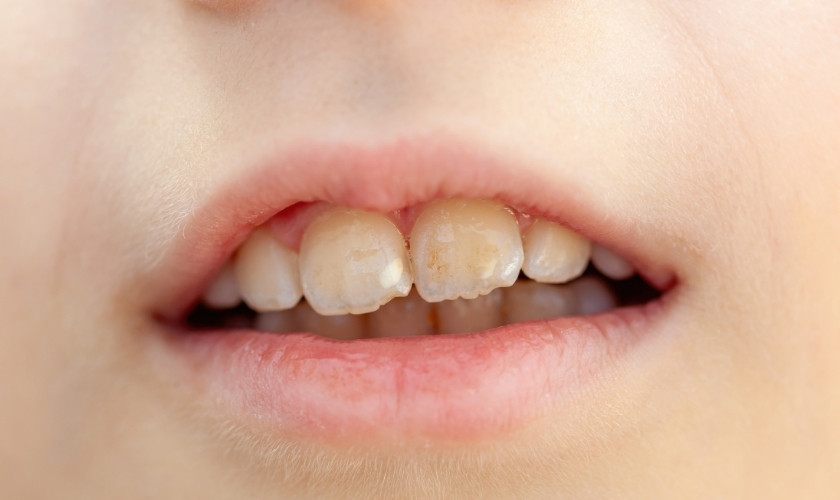
White spots on teeth can be a cosmetic nightmare, making your smile look uneven and dull. These chalky marks often signal early enamel damage or other dental issues, but the good news is they’re treatable. Whether caused by poor hygiene, braces, or diet, understanding the root causes helps you tackle them effectively. At Aces Of Braces in League City, we see this issue frequently and help patients restore their confident smiles.
In this guide, we’ll break down what white spots are, why they appear, professional and at-home remedies, and prevention tips. Ready to banish those spots? Let’s dive in.
What Causes White Spots on Teeth?
White spots, medically known as white spot lesions, occur when tooth enamel demineralizes. This happens when minerals like calcium and phosphate are lost from the enamel surface, leaving opaque patches.
Common culprits include:
- Poor oral hygiene: Plaque buildup from infrequent brushing allows acid-producing bacteria to erode enamel.
- Braces-related decalcification: Food traps around brackets, leading to spots during orthodontic treatment—something our team at our office monitors closely.
- Acidic or sugary diet: Frequent sodas, citrus fruits, or candies feed bacteria that produce enamel-weakening acids.
- Fluorosis: Excess fluoride during childhood tooth development creates mild discoloration.
- Dry mouth or medications: Reduced saliva flow fails to neutralize acids.
- Trauma or grinding: Physical damage exposes dentin underneath.
Early detection is key. If spots are soft or spreading, see a dentist promptly to prevent cavities.
Home Remedies to Fade White Spots
While professional care is best, gentle at-home strategies can help remineralize mild spots. Always consult a dentist before starting.
- Fluoride toothpaste and mouthwash: High-fluoride products (like prescription-strength ones) rebuild enamel. Brush twice daily and rinse for two minutes.
- Oil pulling: Swish coconut oil for 10-15 minutes daily to reduce bacteria—studies show it aids remineralization.
- Diet tweaks: Cut sugary/acidic foods; eat calcium-rich dairy, leafy greens, and crunchy veggies like apples to scrub plaque naturally.
- Baking soda paste: Mix with water for a mild abrasive scrub once a week (avoid overuse to prevent enamel wear).
These methods work best for fresh spots. Track progress over 4-6 weeks; if no improvement, professional intervention is needed.
Professional Treatments for White Spots
For stubborn spots, League City residents trust experts like those at Aces Of Braces for advanced solutions. Here’s what we offer:
1. Microabrasion
This painless procedure sands away the top enamel layer with a mild acid and pumice mix. Ideal for superficial spots; results are visible in one visit.
2. Teeth Bleaching or Whitening
Custom trays with peroxide gel target discoloration. We combine this with remineralization for even tones.
3. Enamel Microabrasion + Bleaching Combo
Removes spots then whitens for dramatic results—perfect post-braces.
4. Dental Bonding or Veneers
For deeper lesions, tooth-colored resin covers spots seamlessly. Veneers provide a porcelain shield for lasting beauty.
5. ICON Therapy
A resin infiltration technique seals pores without drilling. Quick, non-invasive, and highly effective for early demineralization.
Contact us at 832.905.1052 to discuss your options—our League City office tailors treatments to your needs.
Prevention Tips to Keep Spots Away
Prevention beats cure. Maintain these habits for spot-free teeth:
- Brush with fluoride toothpaste for two minutes twice daily; floss nightly.
- Use a straw for acidic drinks to minimize enamel contact.
- Chew sugar-free gum with xylitol post-meals to boost saliva.
- Schedule biannual cleanings—vital after braces removal.
- Limit snacks; rinse with water after eating.
Kids and teens need extra vigilance during braces. Consistent care keeps enamel strong.
Ready for a spotless smile? Check our reviews, visit our dental office in League City, or book an appointment today at Aces Of Braces.
Frequently Asked Questions (FAQs)
1. Are white spots on teeth cavities?
White spots often indicate early cavities from demineralization, but aren’t full cavities yet. They result from acid erosion weakening enamel. Prompt treatment with fluoride can reverse them before progression. Regular dental check-ups catch this stage early.
2. Do white spots from braces go away?
Yes, many fade with remineralization post-braces using fluoride products and good hygiene. Severe cases may need microabrasion or bonding. Consistent care during treatment prevents worsening. Consult your orthodontist for monitoring.
3. Can whitening toothpaste remove white spots?
Whitening toothpastes mildly polish but don’t fully remove spots caused by demineralization. They help surface stains but require fluoride for enamel repair. Overuse can wear enamel further. Pair with professional advice for the best results.
4. Is fluorosis the only cause of white spots?
No, fluorosis from excess fluoride is one cause, mainly in kids. Others include plaque, dietary acids, dry mouth, or trauma. Severity varies; mild cases self-resolve, deeper ones need treatment. Diagnosis via exam rules out issues.
5. How long do professional treatments take?
Microabrasion or ICON therapy often completes in one 30-60 minute visit. Bleaching may span 1-2 weeks with trays. Bonding/veneers take 1-2 appointments. Results appear immediately or within days, depending on the method.
6. Can diet alone fix white spots on teeth?
Diet supports but doesn’t fully fix spots. Reduce acids/sugars; add calcium/phosphate-rich foods like cheese for remineralization. Combine with brushing and fluoride for effectiveness. Track changes over months with dental input.
7. Are white spots permanent if untreated?
Untreated, they can progress to cavities, becoming permanent. Early intervention reverses most via remineralization. Delaying risks enamel loss and fillings. Annual exams prevent escalation to irreversible damage.